
October 2026 Newsletter
“Never doubt that a small group of thoughtful, committed citizens can change the world. Indeed, it is the only thing that ever has.”
- Margaret Mead
Montana Behavioral Health Conference | Next Week!
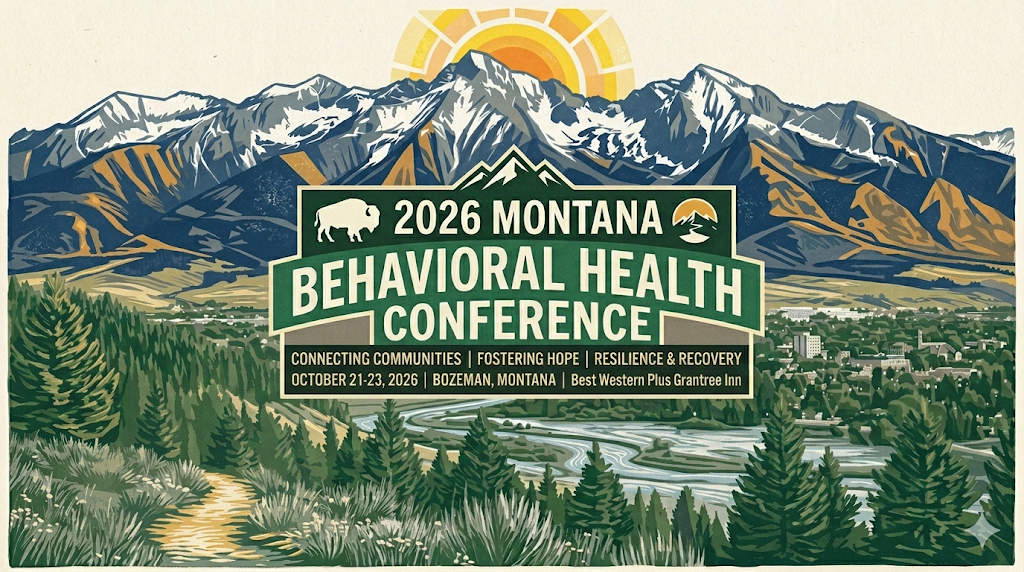
The 2026 Montana Behavioral Health Conference is almost here!
From October 21–23, people with lived experience, family members, providers, advocates, researchers, and public health leaders will come together in Bozeman for three days of learning, connection, and system improvement.
This year’s conference includes Precision Mental Health focus groups, peer-led learning, recovery stories, and the Lincoln Art Show, featuring original work from Montana artists.
🎨 Artists: Entry forms are due October 18. Download the art show entry packet here.
Location: Best Western Plus GranTree Inn | 1325 N 7th Ave, Bozeman, MT 59715
Dates: Wednesday, October 21 to Friday, October 23, 2026
Cost: $160 | General Admission ticket for all three days
Hosted by NAMI Montana and sponsored by the Montana Department of Public Health and Human Services (DPHHS) through the Medicaid Block Grant.
Thank You for Walking With Us | NAMIWalks Recap 2026
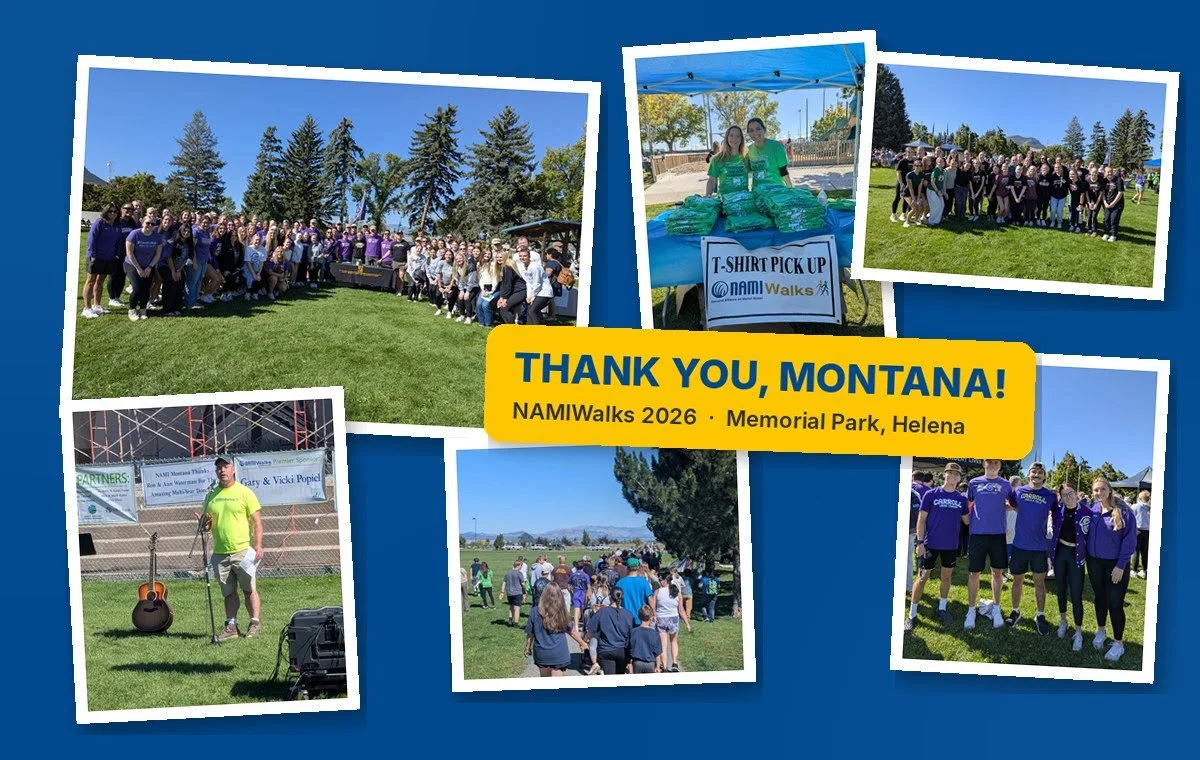
On Sunday, September 20, Montanans came together at Memorial Park in Helena for the 2026 Montana NAMIWalk. It was a beautiful fall day filled with families, friends, teams, and community members walking side by side for mental health.
Thank you to every walker, team captain, volunteer, sponsor, and donor who showed up. Your support helps keep NAMI Montana’s support groups, education programs, and advocacy free for every Montanan who needs them.
We had 248 registered participants across 24 teams and raised over $81K!
Advocacy Highlight | Medicaid Work Requirements Are Now in Effect
Montana is one of the first states to put Medicaid work requirements in place. After a soft launch in July, the state set an October 1 deadline for enrollees to comply. Nearly 71,000 Montanans are subject to the new rules.
Most adults ages 19 to 64 on Medicaid Expansion now need to show 80 hours a month of work, volunteering, job training, or school, or qualify for an exemption, such as being “medically frail” or caring for a family member.
Montana Free Press and KFF Health News report that the early rollout has brought confusion: some notices gave conflicting timelines, call wait times are long, and some enrollment-help programs have far fewer staff than before.
For many Montanans living with mental health conditions, Medicaid is how they access treatment. A lapse in coverage, even over paperwork, can interrupt care.
If you or someone you support is on Medicaid:
Open and read all mail from DPHHS.
Keep your address and contact information up to date.
Report hours or an exemption at apply.mt.gov, by calling the Public Assistance Helpline at 1-888-706-1535, or at your local Office of Public Assistance.
Research Highlight | Toward More Precise Mental Health Care
Today, most mental health treatment starts with a best guess. Diagnoses are based on symptoms, and finding the right treatment can take months of trial and error. Precision mental health aims to change that by matching the right care to the right person at the right time.
A new position paper from the American College of Neuropsychopharmacology, published September 18, lays out a roadmap for getting there. Its central point is that psychiatry still lacks reliable biomarkers: measurable signals, like blood tests, brain-wave patterns, or data from wearable devices, that could help guide diagnosis and treatment.
So what does that research look like in practice? Here’s one example.
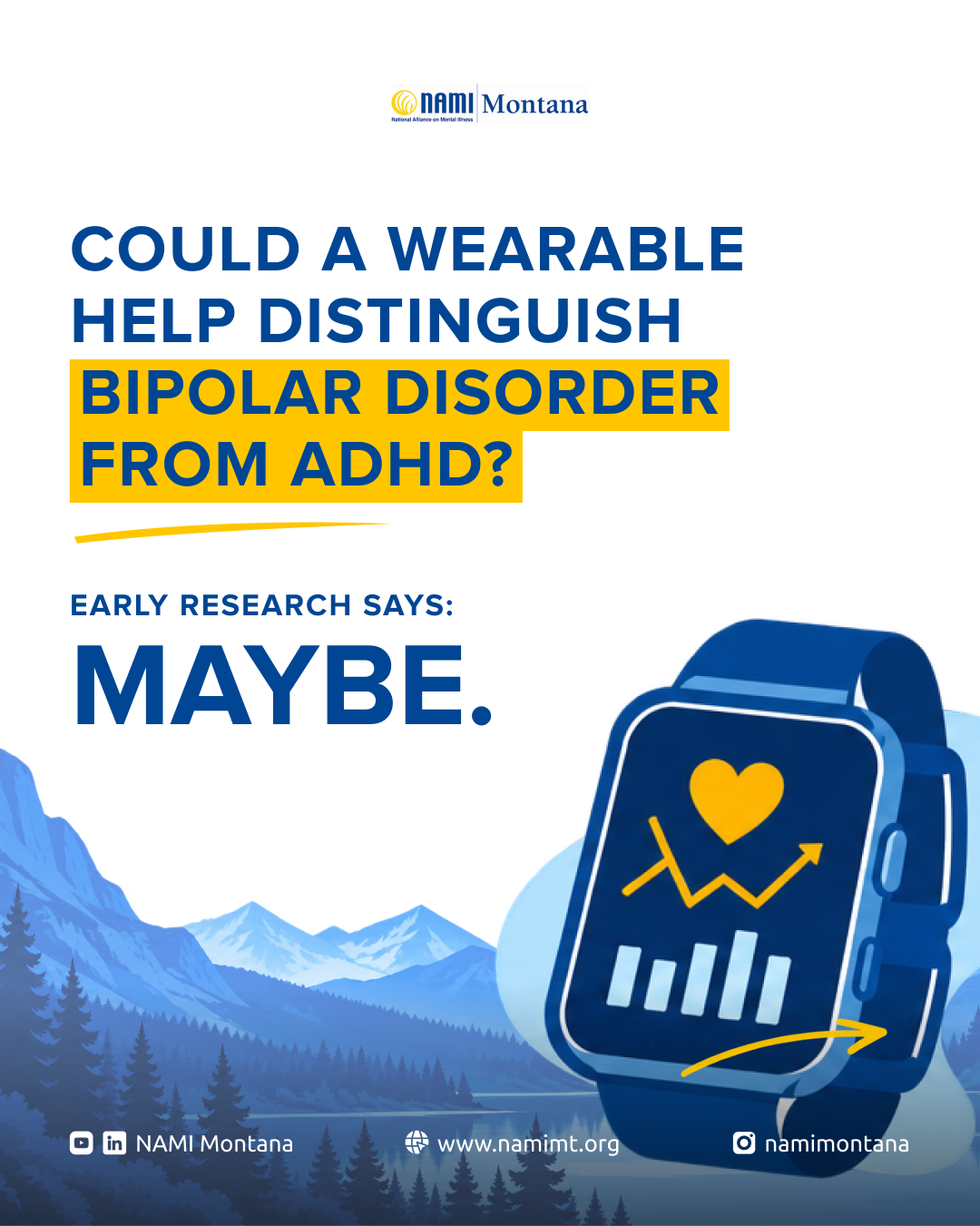
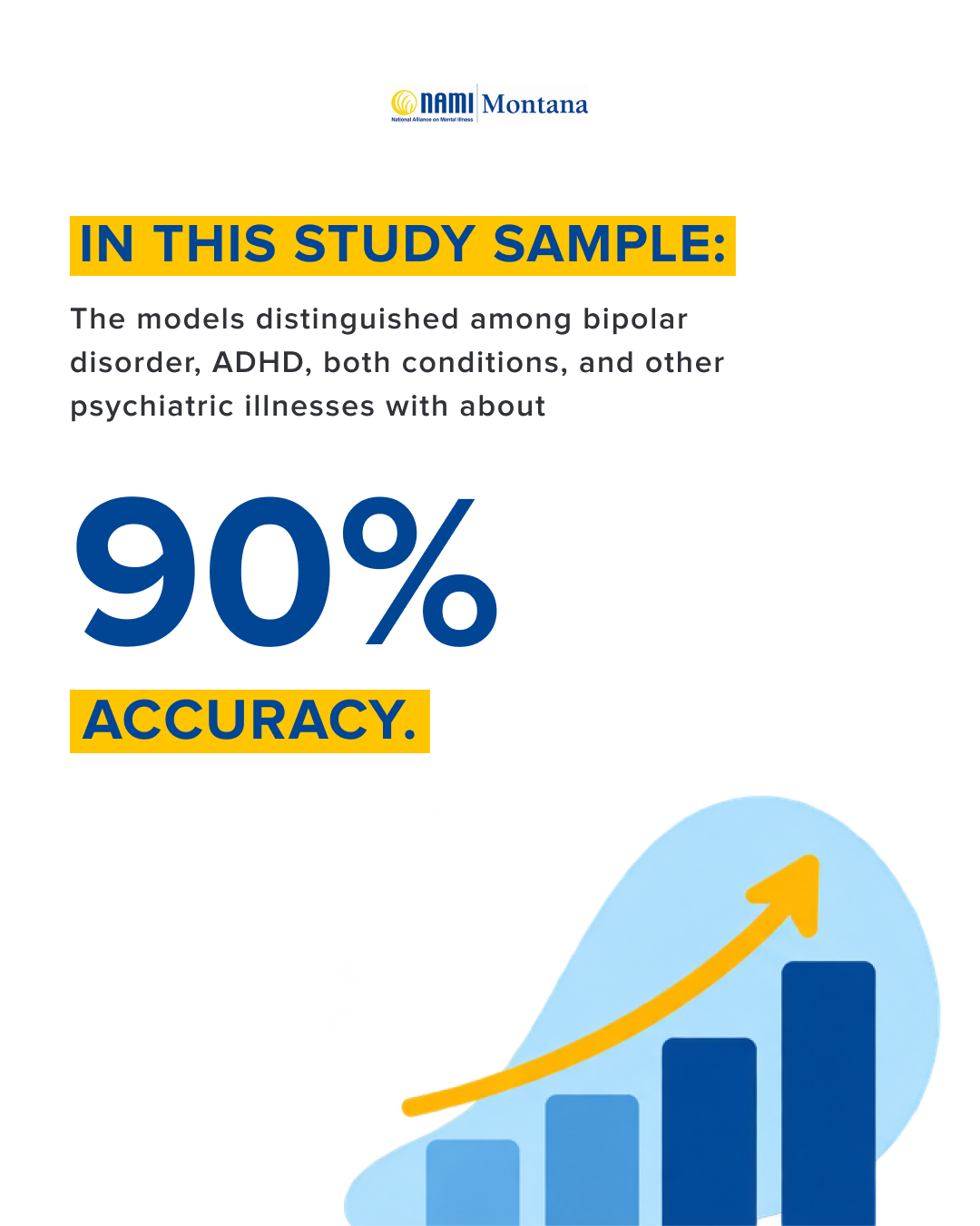
In a study highlighted by the Brain & Behavior Research Foundation, researchers analyzed wrist-worn activity data from 389 adolescent psychiatric inpatients.
Bipolar disorder and ADHD can share overlapping features, which can make diagnosis challenging in young people. Using daytime activity patterns along with age and sex, AI-assisted models sorted participants into bipolar disorder, ADHD, both, or another condition with about 90% accuracy.
This was an early study in a specific inpatient group, and a wearable is not a stand-alone diagnostic test. The researchers say more work is needed. Still, it shows exactly the kind of objective, measurable tool the ACNP roadmap is calling for.
Precision mental health is a long-term priority for NAMI Montana, and we’re excited to host Precision Mental Health focus groups at this month’s Behavioral Health Conference.
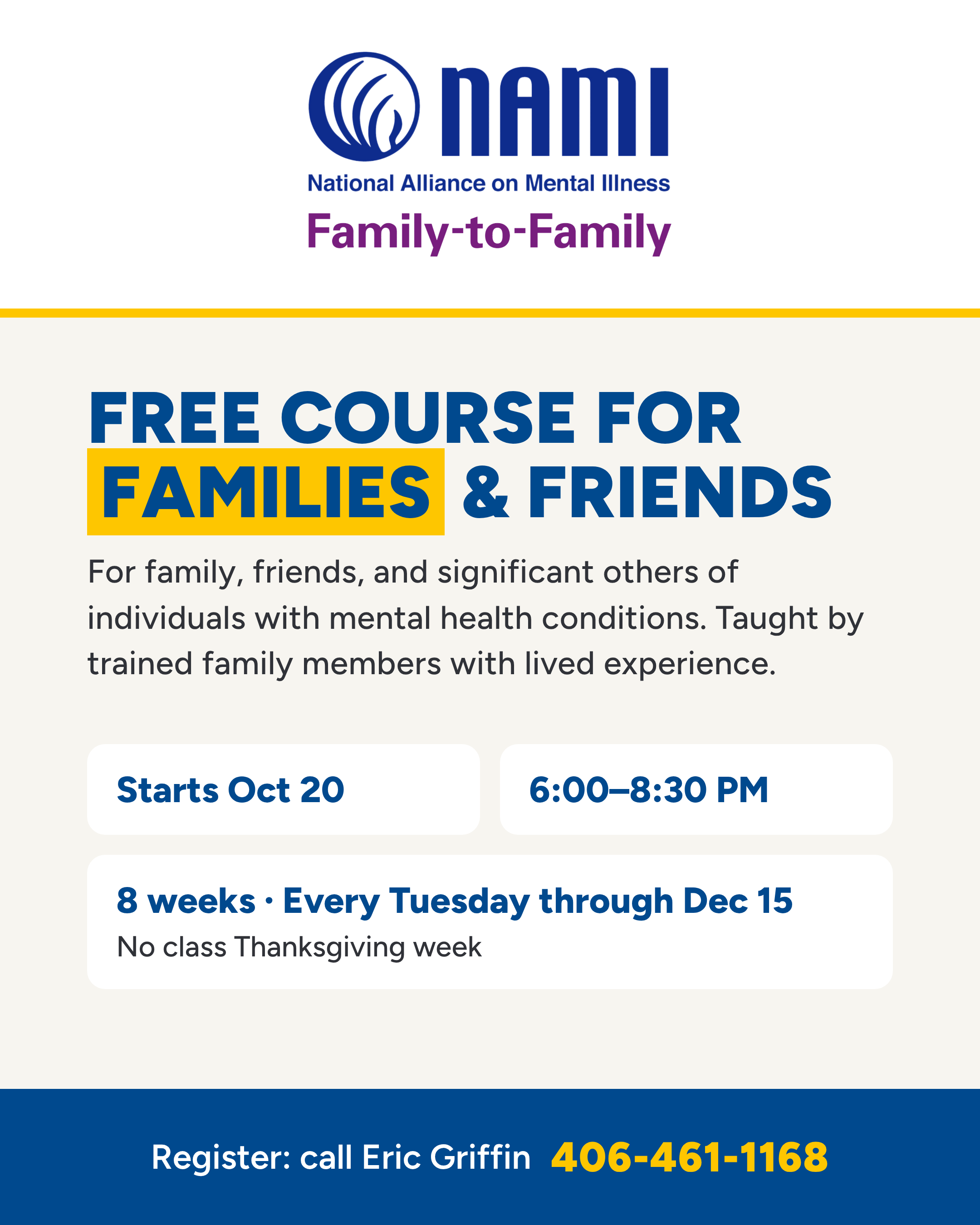
Reminder | Free Family-to-Family Class in Helena Starts October 20
There’s still time to sign up for NAMI Helena’s Family-to-Family class.
This is a free, evidence-based, eight-week educational course for family, friends, and significant others of individuals with mental health conditions, taught by trained family members with lived experience.
It covers mental health conditions, treatment options, coping strategies, problem-solving, communication, and self-care.
Resources & Ways to Connect
Whether you’re looking for support, searching for local mental health resources, or hoping to get more involved, NAMI Montana is here to help.
🫂 Find Support
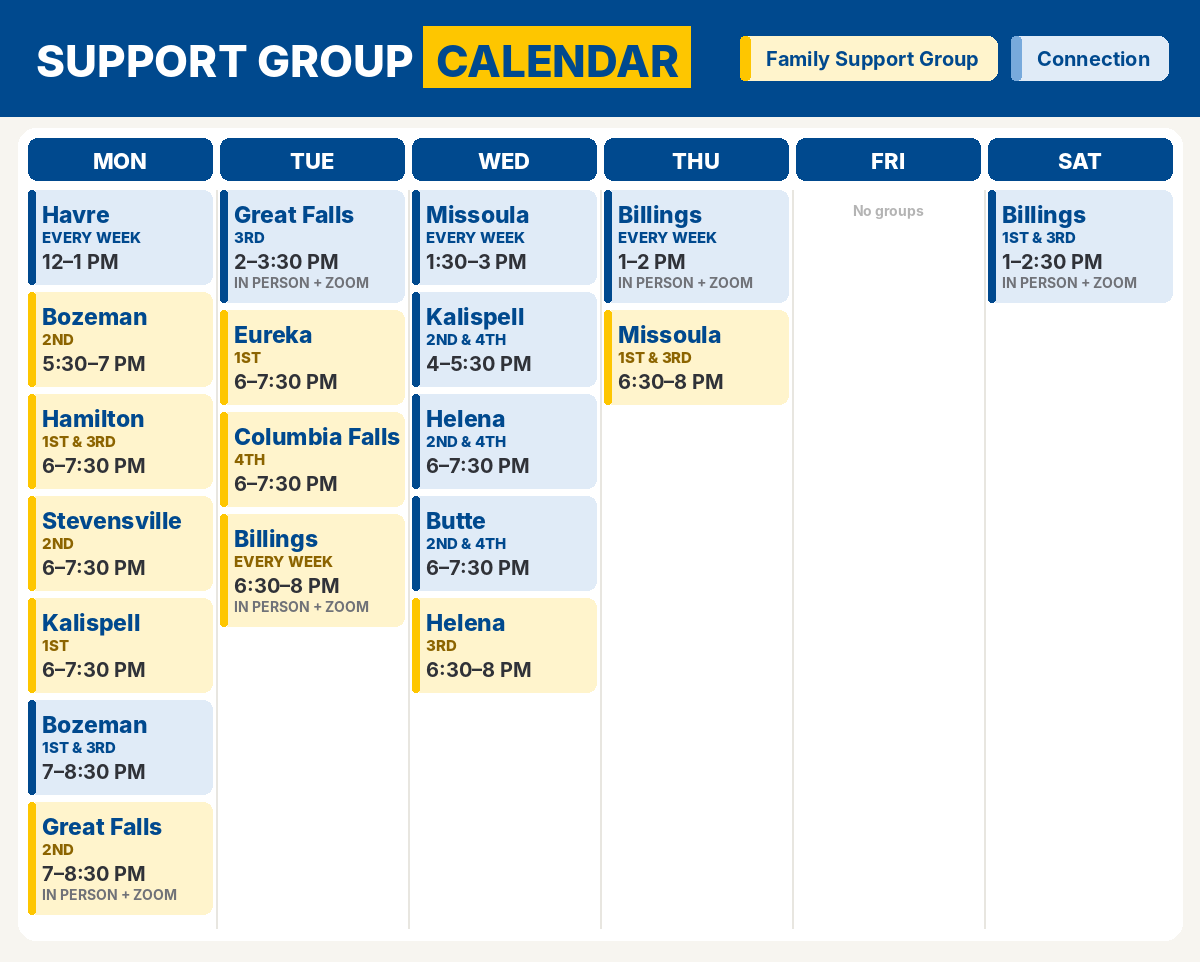
Our free, confidential peer-led support groups connect Montanans with others who understand what they’re going through.
NAMI Family Support Group is for any adult with a loved one who has experienced symptoms of a mental health condition.
NAMI Connection Recovery Support Group is for adults (18+) living with mental health conditions.
Contact your local affiliate before your first visit to confirm the location and any Zoom link.
📍 Find Resources Near You
Explore NAMI Montana’s free county resource guides for local crisis lines, providers, support options, and other mental health resources.
🖇️ Stay Connected
Follow NAMI Montana and your local affiliate on social media for resources, upcoming events, advocacy updates, and more.
📞 In Crisis?
If you or someone you know is in crisis or emotional distress, call or text 988 to reach the 988 Suicide & Crisis Lifeline, available 24/7.
Help Bring Support to Rural Montana
Thanks to a grant from Intermountain Healthcare, NAMI Montana is working to expand peer-led support groups into at least five new rural communities, giving more Montanans access to mental health support closer to home.
If you’d like to help start a NAMI support group in your community, we’d love to hear from you.
NAMI Montana can help you get started with facilitator training, resources, and connections to your nearest NAMI affiliate.
It only takes two people to start a NAMI support group.
If you live in a rural Montana community and have ever thought someone should start something like this here, we want to hear from you.
Contact us: colleen@namimt.org or 406-443-7871.
Support NAMI Montana
Your support helps keep programs, education, resources, and support groups free for Montanans who need them.
If you're in a position to give, or are thinking about your legacy, we'd be honored to be part of it.